
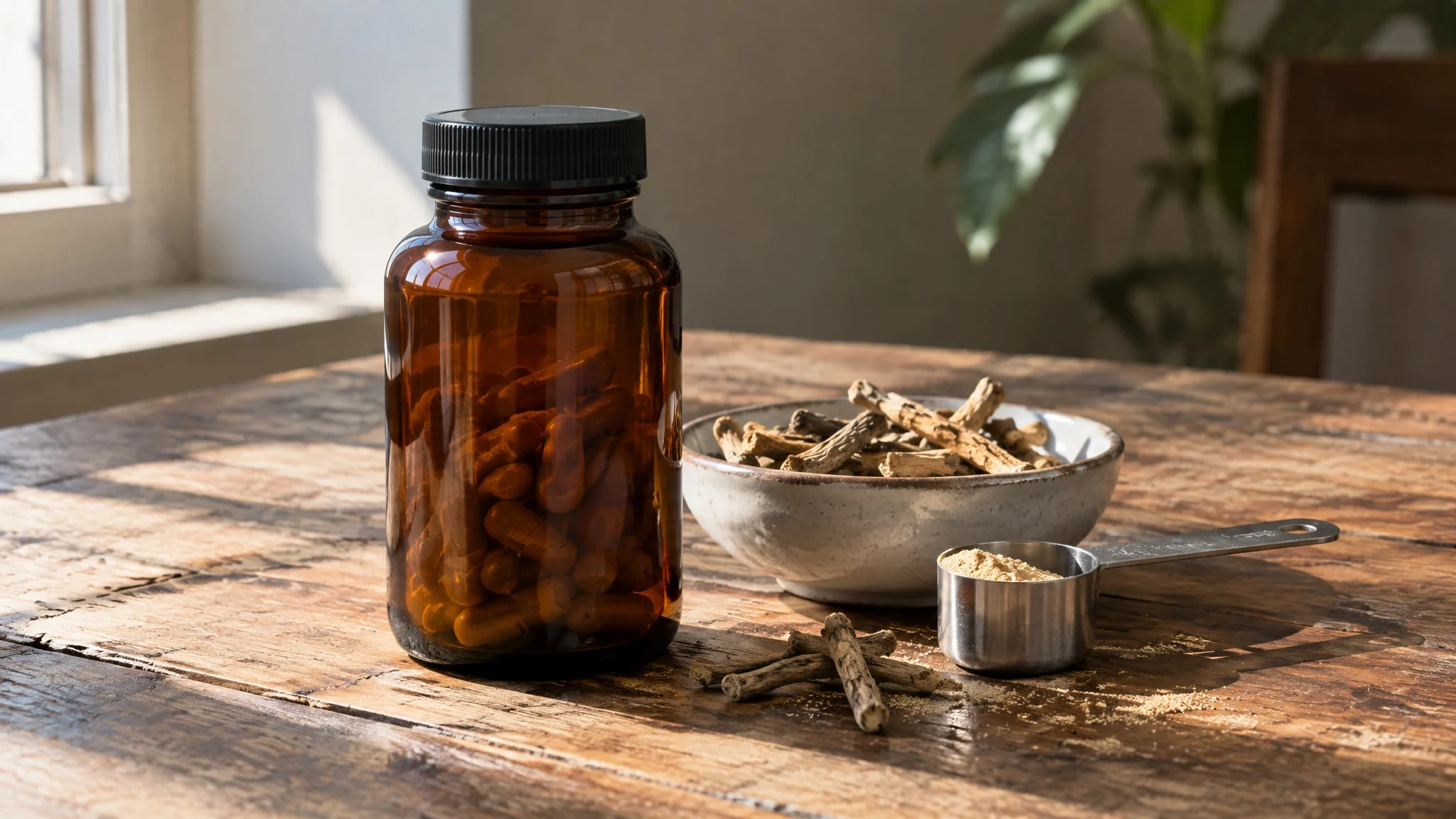
Understanding Cortisol Dysregulation and Chronic Stress
Cortisol dysregulation is a distinct physiological state. It differs from the temporary feeling of being stressed or overwhelmed. Acute stress triggers a useful survival response, but chronic elevation keeps your body in a persistent catabolic state, and over time that degrades metabolic function and disrupts sleep architecture. This sustained hormonal imbalance drives insulin resistance and gets in the way of the deep, restorative sleep cycles your cells need to repair.
Supplements targeting this pathway need to address HPA axis regulation directly, not offer generic sedation or mood enhancement. You can’t fix a broken feedback loop with a cup of tea or a low-dose multivitamin. The intervention has to be specific enough to signal safety to a nervous system stuck in overdrive. General stress relief masks symptoms temporarily. Clinically informed cortisol management aims at something different: restoring your body’s natural diurnal rhythm and hormonal sensitivity.
Most standard interventions fail because they treat stress as an emotional problem rather than a biochemical one.
Clinically Informed Dosing Versus Proprietary Blends
The supplement industry often hides behind proprietary blends to avoid disclosing ineffective ingredient levels. Clinical efficacy for adaptogens like Ashwagandha depends on reaching specific therapeutic thresholds, often 300mg to 600mg of standardised extract, not the sub-clinical amounts frequently buried in proprietary blends. When a label lists a blend weight without individual breakdowns, you have no way to check whether the product contains a therapeutic dose or just a marketing dusting too small to do anything.
Why Transparent Labelling Matters for Efficacy
Transparent labelling lets you cross-reference every ingredient against published clinical research before you spend your money. Without exact milligram counts, comparing a local cortisol supplement to international standards becomes impossible, and you’re left guessing whether the formula matches evidence-based protocols. Trust comes from verifiable data on the bottle, not persuasive copy on the box.
You deserve to know exactly what enters your system and why each component sits at that specific strength. Our article on proprietary blend vs labelled dose supplements explains how hidden blends fail to deliver clinical results compared with open formulations.
Identifying Underdosed Adaptogens in Local Products
Many adrenal support supplements on South African shelves contain adaptogens well below the levels used in successful human trials. A product might list Ashwagandha root powder without specifying the withanolide percentage or total extract weight, which makes it biologically inert for cortisol reduction. Effective cortisol-reducing herbs need standardisation to keep potency consistent across every batch, a detail often missing from cheaper alternatives.
Balance formulates all products in South Africa with batch-tested purity and potency. We reject synthetic fillers and proprietary blends so every capsule delivers the stated clinical dose. If a label doesn’t specify the extract ratio or active compound yield, it probably doesn’t meet the threshold for meaningful adrenal support.
Key Botanical Ingredients for Lowering Cortisol Naturally
Choosing the right botanicals means looking past the ingredient name to how it actually works within the stress pathway. Lowering cortisol naturally takes agents that adjust receptor sensitivity and neurotransmitter balance without suppressing essential hormonal functions. These compounds work together to calm the nervous system while keeping your head clear during waking hours.
Ashwagandha and Saffron Extract Mechanisms
Ashwagandha works primarily by regulating the HPA axis and reducing serum cortisol through withanolide-mediated signalling. Our ashwagandha supplement for stress guide explains how proper sourcing and standardisation separate effective extracts from raw root powders. Saffron Extract complements this by supporting serotonin metabolism and emotional balance, so it addresses the psychological side of chronic stress without causing daytime drowsiness.
ZenSleep lists exact quantities of its active ingredients, including 600mg Ashwagandha and 56mg Saffron Extract, so you can check the formula against the research yourself. This combination targets both the hormonal driver and the neurological side of stress at the same time.
The Role of Magnesium Glycinate in Stress Response
Magnesium deficiency makes stress reactivity worse, yet many supplements use poorly absorbed forms like oxide or citrate. Magnesium Glycinate offers higher bioavailability and better gastrointestinal tolerance than Magnesium Oxide or Citrate, which makes it the preferred form for nervous system support and sleep quality. The glycine molecule itself acts as an inhibitory neurotransmitter, adding a secondary calming effect that supports GABA activity without heavy sedation.
You need a form that crosses the blood-brain barrier efficiently to refill depleted stores after long stretches of high cortisol output. Inferior magnesium forms waste money, because they don’t touch the underlying mineral deficit driving your stress sensitivity.
Evaluating ZenSleep for Evening Cortisol Management
Evening supplementation needs a formula that lowers cortisol enough to let sleep onset happen without disrupting natural sleep architecture. ZenSleep is a case study in clinically informed dosing built for this nocturnal window. It avoids synthetic sedatives in favour of botanical compounds that restore your body’s own capacity for rest.
Formulation Breakdown: 600mg Ashwagandha and 570mg Magnesium
Each serving delivers 600mg of Ashwagandha alongside 570mg of Magnesium Glycinate, hitting the upper end of therapeutic dosing established in clinical literature. That’s a dose large enough to produce a measurable physiological effect rather than a placebo response. Supporting nutrients like L-Theanine (200mg) and Zinc Gluconate (40mg) further steady neural excitability during the transition to sleep.
That precise quantification is what separates this formula from generic sleep aids built on undefined herbal mixtures. You can calculate your exact intake and adjust based on how you respond, which is impossible with blended products. ZenSleep is priced around ZAR 399–999 depending on pack size, or around ZAR 359 on the Subscribe & Save plan, which you can cancel or pause anytime.
Supporting Restorative Sleep Without Melatonin
Exogenous melatonin can sometimes disrupt your own production or cause morning grogginess when used chronically. As a natural sleep supplement without melatonin, ZenSleep focuses on upstream regulation rather than downstream replacement. By lowering cortisol and replenishing magnesium, it creates the internal conditions your body needs to secrete melatonin naturally.
This approach supports sustainable sleep hygiene instead of creating dependency on a hormone substitute.
Addressing Metabolic Stress with GlucoFocus
Metabolic dysfunction and elevated cortisol feed each other. Insulin resistance forces the pancreas to overwork, which triggers a stress response that further raises blood sugar and locks the body into a cycle of metabolic inflammation. Treat stress without addressing glucose metabolism, and the root physiological trigger stays completely unresolved.
The Link Between Blood Sugar Balance and Cortisol
Blood sugar swings act as a constant alarm signal to the adrenal glands, so they never fully recover. Stabilising glucose levels reduces this load and gives your HPA axis the room it needs to recalibrate. Blood sugar stability removes the primary fuel source for chronic cortisol elevation.
GlucoFocus supports healthy blood sugar control and glucose metabolism to interrupt this feedback loop. Manage the metabolic input, and you reduce the hormonal output needed to maintain balance.
Botanical Support for Glucose Metabolism
GlucoFocus uses botanical compounds developed to support the body’s own appetite-regulating signals and liver health alongside direct glucose management. This multi-pathway approach treats metabolic stress as systemic, not just a matter of dietary carbohydrate intake. Liver function matters here too: the liver plays a central role in both glucose storage and cortisol clearance.
Pricing for GlucoFocus runs around ZAR 599–1399 depending on pack size, reflecting the concentration of active botanicals the formula needs. A Subscribe & Save plan is also available at around ZAR 480 a month, which you can cancel or pause anytime. You can view the full specification on the GlucoFocus product page.
Choosing Locally Manufactured Supplements Over Imports
Imported supplements often sit in shipping containers and customs warehouses for months, and that degrades sensitive botanical compounds before they reach your door. Local manufacturing means shorter supply chains, so the product you receive keeps the potency verified during testing. Freshness matters a lot for adaptogens and antioxidants, which lose strength when exposed to heat and humidity during a long transit.
We produce every batch in South Africa under quality controls built to keep potency matching the label claims. Our comparison of South African made supplements vs imported covers why domestic production offers more reliability for botanical health products. Regulatory compliance within our local framework also gives you recourse and accountability that grey-market imports simply can’t offer.
Building a Complete Routine for Day and Night Balance
Managing cortisol well means treating daytime metabolic demands and evening restoration as separate jobs. A single product rarely covers both phases of the circadian cycle with equal precision. Strategic supplementation pairs metabolic support during active hours with targeted downregulation before bed, covering the full 24-hour stress load.
The Complete Balance Bundle combines GlucoFocus for daytime glucose management with ZenSleep for evening cortisol reduction: one bottle of each, 60 veggie capsules per bottle. Pricing for the bundle sits around ZAR 899, or around ZAR 799 on the Subscribe & Save plan, which you can cancel or pause anytime.
Consistency across both day and night protocols is what lets these systems synchronise and recover properly.
Frequently Asked Questions
How long does it take for cortisol supplements to show effects?
Adaptogens like Ashwagandha typically require four to eight weeks of consistent use to demonstrate significant reductions in serum cortisol levels. Unlike pharmaceutical sedatives that act immediately, botanical interventions work by gradually restoring HPA axis sensitivity and receptor function. Individual response times vary based on baseline dysregulation severity and adherence to the recommended daily dose.
Can I take Ashwagandha and magnesium together safely?
Yes, these two compounds are frequently combined in clinical formulations because they target complementary pathways in the stress response. Ashwagandha modulates hormonal signalling while magnesium supports neuromuscular relaxation and neurotransmitter balance. Always verify the specific doses in your chosen product to ensure they fall within safe and effective therapeutic ranges.
Why is my current stress supplement not working?
Many commercial stress supplements rely on proprietary blends that hide sub-clinical doses of active ingredients behind a total blend weight. If the label does not specify exact milligram amounts for each standardized extract, you may be consuming insufficient quantities to trigger a physiological change. Switching to a transparently labelled product with clinically validated doses often resolves this issue.
Does blood sugar imbalance really affect cortisol levels?
Absolutely, as hypoglycaemia and insulin resistance both trigger adrenal cortisol release to mobilize stored energy. This creates a vicious cycle where metabolic instability perpetuates hormonal stress regardless of psychological factors. Stabilizing blood glucose through diet and targeted supplementation removes this constant physiological trigger, allowing cortisol levels to normalize.